Sunday, May 31, 2009

MEET GREEK AUTHOR, LIANA METAL


I'd like to introduce Greek author, Liana Metal to my blog audience. Join me while I ask the author some interesting questions.

Q: Tell us about yourself!

A: I am a Language teacher (MA in Ed.), artist, reviewer and writer living in Greece. As a mother of two, I have spent most of my time raising a family and working full time at my own Language School, while painting and writing in my free time. When my kids grew up I decided it was high time I followed my dream to become a writer. I have self published several e books and several print books for my students, and a great number of my articles have been published both in print and online magazines. I started my career by writing children’s stories and educational material, and then created e books of both fiction and non fiction. My articles, reviews and books can be found at http://lianametal.tripod.com, at http://liamet.tripod.com,
and at my blogs http://lianastories.blogspot.com and http://lianaskerkyra.blogspot.com.

I am a member of the authors’ group at OU University, UK, and many writers’ groups online. You can contact me at lianametal@yahoo.com .

Q: When did your passion for writing begin?

A: It dates back to school time, primary school actually, when I was writing the lyrics for my own songs. I even created illustrated short stories for the English class I was attending, a sort of a diary. I was also fascinated by comics and tried to write my own stories then.

Q: What was your first book?

A: The White Snail, a kids’ story, which is still my favorite little baby. I self published it at a local printer and distributed free copies to my students. I even transformed it into an activity story book so as to use it in class. That was the first story that made me find a way to create an e book, so that more people can have access to it online. Thus, the Bedtime Stories (no longer available) e book was created. Then more e books followed.

Q: What inspired you to write this book?

A: Snails…I love watching little creatures sliding along the grass. I’ve written stories about ants, birds, crabs, mice etc. In my stories, these little animals behave like humans, and that is the essential part of each storyline. Also, there is a morale at the end of each story. Besides, I love sketching, and a story book for kids gives me the opportunity to draw and paint which I love very much.

Q: How long does it take you to write a story like this?

A: The idea and the sketches come instantly, but it takes me some time, a month or longer to create a proper copy.

Q: How do you come up with ideas for your writings and why do you feel you choose some over others?

A: Ideas come at any time, usually by observing things and people around, but sometimes come when I relax or I am ready to sleep. This is most annoying as I have to write down a couple of notes to make sure I remember them the next morning. I usually choose the ones that seem feasible for me to realize, after some thought, but I always pick up those that will make me feel good and happy with!

Q: What about the other e books on your site? There are some non fiction ones.

A: Yes, the first one is Writing Basics, a how-to book for new writers. It includes articles that will help new writers come to grips with the internet and shows them how to get published fast. It is a mini guide that contains a market research as well. Currently it is off line but I intend to revise it and republish it via a new online publisher. The second one is Flowers for Women, an anthology of true stories dedicated to women worldwide. The contributors’ stories are inspiring and positive and will entertain all readers, not only women. This one is also off line for the time being due to the publisher’s problems.

Q: Tell us about your book for young adults.

A: The Hostel is a novel set in London, UK, in the early 70s. Apart from the social issues the story seeks to highlight, such as the age difference between a couple and prejudice and discrimination of other cultures, it is an old fashioned subtle romance that includes historical elements of that time and shows the lifestyle of a part of the residents as well. The main character is Nina, a girl in her late teenage years, who fights against odds to keep her first love alive. Readers can read an excerpt of the story at http://lianametal.tripod.com/thehostel

I am a member of the authors’ group at OU University, UK, and many writers’ groups online. You can contact me at lianametal@yahoo.com .


Q: Who is it aimed for?

A: I would suggest that the Young Adults category is appropriate, but I think that adults can find it entertaining as well, especially those who remember the 70s, or those who can identify themselves with the characters of the story. The Hostel is being revised and will soon be available online.

Q: Have you any suggestions for the new writers?

A: Never give up! I was very discouraged every time I got a rejection, but I went on writing and then I got published. If writing makes you happy, you will find a way to do it, no matter how busy you are. Writing is an addiction for life.

Kathy stemke's websites:
http://www.helium.com/users/406242.html
http://www.associatedcontent.com/user/237923/Kathy_stemke_dancekam.html
http://kathystemke.weebly.com
Add to Technorati Favorites

Wednesday, May 20, 2009

GREAT ACTIVITIES FOR READ ALOUDS!


Children enjoy read-alouds. I suggest you read to them as early and as often as possible. But don't forget that older children get a lot out of read-alouds as well so don't stop just because they can read for themselves. Here are some ideas you can use to making reading aloud fun:

1. Use musical instruments to create suspense, silliness, happy and sad sounds. This can bring your story to life as well as keep each child engaged. You can even have them make simple shakers with beans or rice inside a can of pringles and decorate. They can use it at different times. For example: shake the shaker when you hear the word ______. Or, shake the shaker when you hear a verb (noun, a word that starts with B, etc.). The possibilities are endless.

2. Teach part of speech or grammar with signs as you read. Discuss verbs or exclamation marks, etc.. Give out index cards so that each child can write either the word VERB (pronoun, nouns, etc.) or any grammatical mark. Each time you read a sentence with a verb (or other) or a grammatical mark, the child should raise the index card.

3. Create the atmosphere created in the book. For example, use cardboard to build a rocket if the book is about outer space. Tons of possibilities here with this one.

4. Have the children act out what you read. If the character walks to the store, they should be able to walk in place as they reach a door and open it and grab some groceries. This should be fun and can help on those days it's raining out and their energy levels are high. It's a good idea to give them boundaries for control. You could have them stay inside a hoop on the floor.

5. Use a prop bag to illustrate parts of the story. Collect items that pertain to the story, and display them when they are mentioned in the story. Let's say your reading, "MIss Spider's Tes Party." You could take out rubber bugs, a tea cup, silk flowers, or a hankerchief to dry Miss Spider's eyes. If your story is about bananas, pull some bananas out of the prop bag. It would be fun to eat them while they listen to the rest of the story.

6. Ask your child questions about the story. Reading comprehension is one of the hardest things to teach a child if it doesn't come naturally to him. In order to comprehend something, you must be paying attention to it. Help your child to develop his ability to comprehend stories by asking him questions either about what he thinks is about to happen or what has already happened. This develops critical thinking, which helps later in life in making major decisions. It teaches him how to survive in the world, once he is put out in it.

7. Do a fun activity after you finish the book that relalates to the book in some way. For instance, if the book is about a tall person, make your own stilts using metal cans. Punch two holes on either side of each can, near the bottom. Measure a piece of rope so it is the appropriate length for children. Thread one end of the rope into each hole and secure with a knot. To walk on stilts, children stand on the cans, holding the rope in their hands. It's not easy, children will need practice! (Verify that the edge of the can is not sharp, add masking tape for extra protection.) If you read a book about lions or the circus, you can have your child jump through a hoop like a lion at the circus. This activity may be done indoors or outdoors. Add words of encouragement such as, "Come my beautiful lions!" Continue raising the hoop, then alternate between high and low.

Reading aloud to your child helps them to learn the correct way to read. By hearing you read the words on the page and sound them out, he learns that letters make words, and words make sentences, and sentences are how we communicate with each other. Communication is very important in how a person relates to the rest of the world. Reading aloud to your child encourages interpersonal communication, which is vital to a child's development.

Reading to your child on a regular basis will give them an appreciation and respect for reading. If reading is important to you, it will become important to your child. A bookcase full of a variety of great books should be available. The "Dr. Seuss" and "Dick and Jane" books are wonderful, because they are full of repetition. This will enable your child to learn sight words such as: it, at, on, in, the, etc. Learning sight words will help keep the frustration level down when they start to read books.

So, read aloud to your child, and I guarantee that not only will he benefit in phenomenal ways, but you will bond with your child in the process! Reading aloud calls for a lot more than just listening when you have just a little imagination. Have fun reading!

http://www.helium.com/users/406242.html
http://www.associatedcontent.com/user/237923/Kathy_stemke_dancekam.html
http://kathystemke.weebly.com
Add to Technorati Favorites

Friday, May 15, 2009

Poem:Move Through One Day!


I'm very excited to announce that Action Alley Education is close to publishing, "Moving Through All Seven Days." This book inspires movement as children learn about the days of the week. The lyrical rhymes also teach them how to spell each day! The activities at the end of the book are designed to reinforce the concepts as well as give impetus to movement exploration.

The illustration above is from the new book. Tony Glisson is the talented illustrator who cleverly depicts the fun we have on Tuesday.

The following rhyme which takes you through one day is designed to encourage movement while children learn the concept of A.M., P.M., and time. It's entitled, "Move Through One Day."

6 A.M. I roll out of bed.

7 A.M. I am always fed.

8 A.M. I wash my own face.

9 A.M. I run in a race.

10 A.M. I go out to play.

11 A.M. I gallop away.

12 A.M. I make my own lunch.

1 P.M. I eat a whole bunch.

2 P.M. I clean with my Mom.

3 P.M. I run with friend, Tom.

4 P.M. I hit a home run.

5 P.M. I laugh and have fun.

6 P.M. I sit and I cook.

7 P.M. I read a good book.

8 P.M. I am fast asleep.

9 P.M. I dream really deep.

Set boundaries in your classroom, use the bubble principle, and let the children have fun acting out this perfect day. To prevent contact between children, tell each child that they are in a bubble. If anyone gets too close the bubble will burst.

You can also use this rhyme as a book or a class project. Have the children draw illustrations and a clock for each time. Put it on the bulletin board or bind it into a book.

http://www.helium.com/users/406242.html
http://www.associatedcontent.com/user/237923/Kathy_stemke_dancekam.html
http://kathystemke.weebly.com
Add to Technorati Favorites

Wednesday, May 13, 2009

Friday, May 8, 2009

MORE ON AUTHOR HELENA HARPER!


Here are some excerpts and reviews of Helena Harper's book, A Teachers life..!

For all the whimsy and lightness, Harper is at her best in her reflections of her role as a teacher and its significance. An example is the concluding passage from the "End-of-Year-Bash" quoted above. In a poem called "The Workroom" Harper describes the chore of lesson preparation with her colleagues. The poem concludes with an almost mystical passage of the unity of purpose that binds those in academic life:

"Unrelated they may be,
but an invisible strand,
like the air each breathes,
ties them together
and makes them as one -
no longer separate beings
but different aspects of
an indefinable whole -
a close, invisible
community of the soul."

In a poem called "The Lesson" describing the difficulty of classroom teaching, Harper again concludes with a meditative passage:

"that's the reward
for hours and hours of work
and patience,
a reward of infinite measure,
a priceless, unlimited treasure."

As a final example, at the conclusion of a poem called "The Exam", the students complete their work, the docents receive the exam books, and Harper reflects on the process:

"The teachers follow,
and silence reigns once more,
broken only by
the great illusion of time,
ticking indefatigably
in the phantom human mime."

In a short, light way, Harper's book explores the frustrations of the teacher's life. Through the short-term difficulty and travail, she captures something of its significance as well. This is a delightful little book.

Review by Robin Friedman

"It's a Teacher's Life!" by Helena Harper may be based on the author's teaching experiences in the British education system [specifically a private girls' school], but I think teachers everywhere will be able to relate to the joys and frustrations expressed in this slim volume of poems. I used to teach in a secondary school in Singapore [for 8 years] before moving to the States, and reading this book of poems about teaching made me reminisce about my teaching years.

Ms Harper has arranged the poems in a sort of chronological order - beginning with the school ethos, the new school year and ending with the end of year school party. The poems are witty, often humorous, and at times satirical. "The New School Year" paints a hectic picture of preparations for the new school year with a multitude of meetings [and which teacher is unfamiliar with that?], lesson plans etc. "The Trips" brought to mind my own experience in taking the students out on a field trip - the planning, coordinating, ensuring the students stay safe etc...I could truly relate to the last few lines:

'Remind me next year
that these trips are
definitely,
definitely,
definitely
not a good idea!"

Anyone who has been a teacher or is teaching will enjoy this slim volume of poems written by a teacher herself. Indeed, one will read the poems and think "It is a teacher's life!"

Review by Z. Hayes

PURCHASING INFO. AND LINKS FOR “IT'S A TEACHER'S LIFE...!”

Available in paperback from all major online retailers. Not stocked in bookstores, but can be ordered from any bookstore.

http://www.amazon.com/Teachers-Collection-Poems-Private-School/dp/1847481825/ref=dp_return_2?ie=UTF8&n=283155&s=books

http://search.barnesandnoble.com/Its-a-Teachers-Life-a-Collection-of-Poems-Set-in-a-Girls-Private-School/Helena-Harper/e/9781847481825/?itm=1

http://www.google.com/products?q=1847481825

Email: webmaster@helenaharper.com
Author's website: http://www.helenaharper.com
Authorsden website: http://www.authorsden.com/helenaharper
Blog: http://helenaharpersblog.blogspot.com
Follow her on Twitter: http://www.twitter.com/helenaharper

Kathy Stemke's websites:
http://www.helium.com/users/406242.html
http://www.associatedcontent.com/user/237923/Kathy_stemke_dancekam.html
http://kathystemke.weebly.com
Add to Technorati Favorites

Thursday, April 30, 2009

INTRODUCING AUTHOR HELENA HARPER!

Helena Harper is a native of England and has loved reading and writing from a very early age. She did a Postgraduate Certificate in Education at Exeter University and then started her career as a modern languages teacher, a career which has lasted twenty years. During that time she has continued to write, concentrating primarily on fantasy stories for young children. However, in the past few years she has also discovered the joys of writing poetry for adults, and her first two books are poetry collections: It's a Teacher's Life...! and Family and More – Enemies or Friends?, which have been inspired by her professional and personal life.

Helena is now a private tutor and translator. She is continuing to write children's stories, and illustrations for her first children's picture book which is now being done. Her aim is to see the book in print before the year is out. Many people ask Helena why she likes to write. She feels she can best express it like this:

The blank page calls,
the heart responds,
imagination spreads wide its wings
and launches into infinity...
Fingers dance,
words flow,
the page fills,
the soul takes flight
and the spirit sings.


If you've been a teacher yourself or just wonder what makes them tick you need to follow Helena Harper into this alternative world of coffee addiction, frantic marking, lesson-planning and inspections. Her insightful, evocative and often sardonic descriptions leave you more appreciative of the trials and tribulations (and the occasional pleasures) of being the dragon in front of the whiteboard.

Helena Harper's book of poetry titled It's a Teacher's Life...! will open the eyes of the pupils who always thought that teachers didn't exist outside of school hours... On the other hand, with such a long roll-call of meetings, assessments and after-hours activities, perhaps they were right all along!

PURCHASING INFO. FOR “IT'S A TEACHER'S LIFE...!” AND LINKS

Available in paperback from all major online retailers. Not stocked in bookstores, but can be ordered from any bookstore.

http://www.amazon.com/Teachers-Collection-Poems-Private-School/dp/1847481825/ref=dp_return_2?ie=UTF8&n=283155&s=books

http://search.barnesandnoble.com/Its-a-Teachers-Life-a-Collection-of-Poems-Set-in-a-Girls-Private-School/Helena-Harper/e/9781847481825/?itm=1

http://www.google.com/products?q=1847481825

Come back later in the week for some excerpts and reviews of Helena Harper's book. Just click on the following links to read more about this exciting new author.

Email: webmaster@helenaharper.com
Author's website: http://www.helenaharper.com
Authorsden website: http://www.authorsden.com/helenaharper
Blog: http://helenaharpersblog.blogspot.com
Follow her on Twitter: http://www.twitter.com/helenaharper

Kathy Stemke's websites:
http://www.helium.com/users/406242.html
http://www.associatedcontent.com/user/237923/Kathy_stemke_dancekam.html
http://kathystemke.weebly.com
Add to Technorati Favorites

Tuesday, April 28, 2009

A Great Rebus Story by Kathy Stemke


**************************************************************************************************************************************************************************************

Rebus stories are great for emergent readers. The picture clues bring their frustration level down. This makes it more fun for them to read. Click on the left picture to enlarge and print. This is the story with the words and pictures together. Click on the right picture if you want the rebus without words. have fun!
http://www.helium.com/users/406242.html
http://www.associatedcontent.com/user/237923/Kathy_stemke_dancekam.html
http://kathystemke.weebly.com
Add to Technorati Favorites

Tuesday, April 21, 2009

PRIZE WINNERS!!

The following two people were the lucky winners of my Uprinting contest. Congratulations ladies! I pray these marketing tools will enhance your worthwhile businesses.

Vivian Zabel 4RV Publishing
Cindy Powers BRAIN-athon Emporium

http://www.helium.com/users/406242.html
http://www.associatedcontent.com/user/237923/Kathy_stemke_dancekam.html
http://kathystemke.weebly.com
Add to Technorati Favorites

Sunday, April 12, 2009

BUSINESS CARDS AND BROCHURES GIVEAWAY!


Leave a comment at the end of this post and win a chance for 1,000 free custom business cards and 500 custom brochures from Uprinting.com.

For over 25 years, U-Printing has been a trusted leader in online printing, featuring its signature easy-to-use website and the famous Free File Review, a complimentary proofing service which requires no upfront payment. U-Printing offers convenient marketing support services such as design, lists, and direct mailing to help grow small and medium-size businesses nationwide.

Brochures
http://www.uprinting.com/Brochure-Printing.html

Business Card Printing
http://www.uprinting.com/Business-Cards.html

HOW TO ENTER:

Leave a comment at the end of this blog post, describing what you would use the free printing for.

PRIZE: 1,000 free standard size business cards for one reader and 500 free standard size brochures for one reader. You can choose from any of our stocks for these items.

RULES: Winners in the United States and Canada qualify for free shipping. Shipping fees will apply to winners outside these areas.

U-Printing is always working within the community to help educational and non-profit organizations accomplish their goals. Whether it is offering discounts on printing orders to select educators, student organizations or sponsoring community events, U-Printing continues to give back to the people who support their company.

Customer Reviews:

Dave K., Cherry Hill, NJ - Apr 03, 2009 live chat is great. very user friendly website. i like the fact that, on my last project, someone emailed me to warn me that my font might be to small when printed to read. i like the feedback opinions.

Roxane B. - Feb 10, 2009
I am so extremely happy with my experience. Being new to this I felt totally supported. I was really thrilled to have some direction as to where I needed to improve things such as resolution and alignments. THANK YOU!


http://www.helium.com/users/406242.html
http://www.associatedcontent.com/user/237923/Kathy_stemke_dancekam.html
http://kathystemke.weebly.com
Add to Technorati Favorites

Thursday, April 9, 2009

Teach Creative Writing!


Reading books with your children not only opens up the whole world to them, but often kick-starts their creative writing juices. For instance, after reading "The Wizard of Oz," ask your children to write a story about a strange world. When teaching creative writing to children, I've found that using maps, props, cards, books they've read, or pictures help them oganize their thoughts and create characters and a plot. Use the following activities as a class project or a story starter for your child at home.

CREATE A MAP OF A NEW WORLD

Draw an island on a crinkled up paper bag. This will show that the map is old. Now add some features. Give it some mountains or a volcano. Put in rivers, swamps, or lakes. (By the way, this is a great way to give your kids a geography lesson or map making lesson without them knowing!) It could have forests, beaches, caves, villages. How about an old, deserted pirate town? By the way, islands don't have to be tropical islands. There are also rocky islands,jungle islands, and since this is an imaginary story, how about rainbow islands, candy islands, islands made of toys, or any combination of elements you want.

Decide who lives on the island. Maybe it’s a clan of long-lost Vikings, rock people, whacky animals, or talking birds. Maybe there are two groups on each side of the island that don’t get along with each other. This might help you give the land a name.

Finally, start the story by bringing to the island a main character or two. What would happen when two kids get shipwrecked there, or a time-traveler shows up? They need to have a goal as well. It could be as simple as trying to get home, or finding an object that's needed to save the world.

Because you have a picture of your island it is easy to create a plot as your characters move from one part of the island to the other. Create a problem to overcome at each feature.

Try reading The Adventures of Grassie Green in the Colored Worlds by Steven Rox.

IMAGINE YOURSELF AS A TINY BUG EXPLORER

First give your character a reason to explore. Maybe you're looking for a lost treasure, a rare animal, or a cure for a terrible bug disease. As a tiny creature, everything looks different to you.

Use numbered popsicle sticks and string to map out your journey in the yard. Wind the string around each stick as you place it in the ground. Each stick represents a problem that you must overcome to continue your quest. Maybe you have to think of a way to get over a big rock, cross a puddle, get away from a hungry bird, ride on a dandelion seed, or in a toy car.

Finally, decide how you solve the final problem and find what you're looking for.

Try reading The Little Squeegy Bug by Bill Martin and Michael Sampson.

FOLKTALES:HOW DID THE TIGER GET IT'S STRIPES?

These types of stories are called folktales. They have historically explained things. Have your child draw a picture o make a clay figure of his favorite animal.

Make a list of the characteristics that make this animal unusual or different.
Write a story that explains how the animal got a particular trait. (How a tiger gets his stripes, how an elephant got large ears, why an eagle has a white head, or how a giraffe got a long neck.) For instance, start the story about elephants when they had tiny ears. Tell us the problems the elephant had. Tell how his ears grew to solve his problems.

Try reading Asian Children's Favorite Stories: A Treasury of Folktales from China, Japan, Korea, India, the Philippines, Thailand, Indonesia and Malaysia by David Conger, Patrick Yee, Marian Davies Toth, and Kay Loyons.

http://www.helium.com/users/406242.html
http://www.associatedcontent.com/user/237923/Kathy_stemke_dancekam.html
http://kathystemke.weebly.com
Add to Technorati Favorites

Sunday, March 29, 2009

WELCOME AUTHOR PAM DEVOR


Pamela J. Devor is a freelance writer who gets much of the material for her books from her childhood. Being the mother of four children and the grandmother of ten grandchildren gives her a lot of ongoing material. She has a great imagination & likes to add fun & magic to her books. Pamela also likes to fill her stories with good family values. Pamela is working on her 2nd book which will be a sequel to 'The Troll Door, The Trunk & The Compass'. She lives in Southern Illinois with her family.

CHECK OUT PAM'S NEW BOOK:

“The Troll Door, The Trunk, and the Compass” is about five siblings who spend the summer with their Aunt on the farm. There are lots of fun farm experiences for the kids who are thrilled to be there. Their aunt has had a hard time for about six months because her fiancé disappeared (literally). She needs the children to distract her from her problem.

Alexander explores in the attic & finds an old trunk. Inside the trunk is a diary from a scientist who lived in the house over 20 years before. In addition to the diary is a compass that the scientist invented. The compass has dials for different years and different worlds. Alexander tries it, travels back in time and meets the scientist. Then together they set off to try to rescue his Aunt’s fiancé from another world, if it is not too late.

CHECK OUT THIS EXCERPT:

Thaddeus said, “Ok, Let’s go. He pushed the GO button and disappeared. The girls touched Alexander’s arm and he pushed his GO button and they seemed to be traveling fast through a dark tunnel. They stopped and it was still dark. It was not only dark, but also cold and damp. Minnie fumbled in the backpack and came up with a flashlight. She turned it on and handed it to Thaddeus. Then she got the other flashlights and gave one to her brother and sister.

This place was made of rock. There were rocks under their feet, on both sides, and over their heads. There were also stalagmites and stalactites everywhere. They were in a cave! There were some beautiful crystal formations also. And some creatures that looked like orange lizards. There was some funny spider looking things that jumped.

Thaddeus told them that the spider things were cave crickets.
Thaddeus said, “I just wanted to check here first. This is number one on my World dial. I call it Subterraneoid. In this world there is no life on the surface of the world, just under the ground in these caves. If Kevin came this way, we should be able to find a clue.”...

We are looking at a portal in another world and it is in my time zone. So Kevin would not have disappeared yet. And if we look in your time zone, the clues might be lost by now. I need to not only set the world but also the time zone for just before the time Kevin disappeared so we can see him if he comes through this world portal. In my explorations I have traveled to different times on our world, but only to the current time on different worlds. But what you say makes perfect sense. You are teaching an old scientist to stay sharp, young man.”
So Thaddeus got out a calculator and did some figuring. While he was figuring, there was a movement up ahead but Thaddeus didn’t notice. The children were looking hard to see what was coming towards them out of the darkness. It was a big brown bear with white eyes.

The girls both shrieked. Alexander said, “Mr. Worthington, Sir – we have to GO now!” Thaddeus looked up and pressed the GO button a ½ second before Alexander did. Minnie and Alicia both had a hand on Alexander’s arm but Alicia’s shoe slipped on the wet rocks under her feet and when she tried to catch her balance her hand flew off Alexander’s arm. She found herself sitting on the ground and watching the other three disappear. The bear was coming towards her closer and closer. She scrambled to get back through the three-foot tall opening because the bear would be too big to get through. Her feet kept slipping and then she felt something touch her arm and she screamed....

Pam Devor's book can be purchased on her website: www.PamelaDevor.com.
Blog: http://pamdevor.blogspot.com/
Email: pjdevor_75@hotmail.com


http://www.helium.com/users/406242.html
http://www.associatedcontent.com/user/237923/Kathy_stemke_dancekam.html
http://kathystemke.weebly.com
Add to Technorati Favorites

Saturday, March 28, 2009

Great Writing Activity for Father's Day!


So many of the crafts we make for Father's Day are cute, but useless! Here's an idea that will be appreciated and treasured for years and years.

Every family has favorite memories of trips, birthday parties, or visits to the zoo or aquarium. Why not ceate a Dad's Memories Book? It will take some organizing, but it will be worth the trouble. Let photos tell the story! Follow these easy steps to success.

1. Ask the children to bring in four or five photos from home that show fun times with their dad. Include things like pictures of the day they were born, trips, holidays, birthdays, silly times, dad's activities like bowling, gardening, or fishing, dad teaching them something, the first day in a new house, getting a new pet, or dad's super qualities like his strength, woodworking abilities, or cooking abilities.

2. Glue each picture to a piece of construction paper. Write a sentence or two about each picture on lined paper. Cut and paste the sentence under the photo. You can do one page a day for a week, or space them out through a couple of weeks.

3. Have each child draw a picture of their dad for the book cover. Add a title like Dad's the Best, or Thank You Dad.

4. Arrange the photos in order. You might choose to use them in chronological order or by themes.

5. Be creative as you put the Dad's Memories Book together. Fasten pages together with staples, ribbon, rafia, or stitching. Try cutting the book pages in the shape of dad's head, golf clubs, or his fishing boat. Decorate the pages with stickers, rubber stamps, finger prints, magazine pictures or stencils. Use gel pens or glitter pens for sparkle.

This great writing activity will allow the children to practice their printing skills, inspire creative writing, teach them how to put a book together, and give them the opportunity to have fun.

http://www.helium.com/users/406242.html
http://www.associatedcontent.com/user/237923/Kathy_stemke_dancekam.html
http://kathystemke.weebly.com
Add to Technorati Favorites

Thursday, March 26, 2009

Teaching the Main Idea!


Many children think that the first line of a story or essay is the main idea. To help them understand that the main idea is why you are writing the story you can tell them to “think of a story as a meal.” It starts with an appetizer whose job it is to entice the reader to continue. It’s followed by the side dishes which adds a variety of flavors to the story-the additional information to make it fuller. The main dish is the meat of the meal or the main focus, the main idea. Dessert is the final part of the meal where the story winds down to a conclusion.

What we are looking for in a main idea of a story is simply the main course of the dinner, the “meat.” A good way for children to start this process is by putting things in categories such as Things you Wear, Colors, Fruits, Vegetables, etc. Talk about how they are all clothing, food, but the broad term or main idea is that they are all vegetables, things you wear. Next, go into finding the actual main idea of stories. Start with non-fiction books, because they are much easier. Then, go into fiction stories.

Another great teaching tool to finding the main idea of a paragraph is to use the idea of a helping hand. Children can trace their own hand. The main idea goes on the palm. The topic sentence is written on the thumb. Four other details are written on the fingers. For the older students have them draw the wrist and a "bracelet" which has a summary sentence on it.

A topic sentence should set forth the main idea and purpose (implied or direct) of the paragraph. Here are a couple of games that will help children practice finding the topic sentence.

GUESS THE TOPIC!

Write a paragraph that doesn't have a topic sentence and have the child guess the topic. Example: You write with them. Sometimes they have erasers on the end. You can get them in different colors. When they guess pencils, ask them if it would have been easier to start the paragraph with, "I love pencils?"

TOPIC SENTENCE MATCH UP!

Understanding the main idea of a paragraph can be tough for beginning readers. Here's an exercise you can do to help them see the forest through the trees.
Write each topic sentence on a separate index card.

Topic: Dogs are loyal animals.
Topic: I love the summer.
Topic: Chocolate isn't good for you.

Write each detail on a separate index card.

Detail: They are always waiting for their owners to come home.
Detail: They want to sit with you.
Detail: There are a lot of fun things to do, like swimming and eating hamburgers.
Detail: We go on vacation.
Detail: Every time I eat it, I get a stomachache.
Detail: It's not good for my teeth.

Mix them all up, turn them face up, and match up a topic with two details.

Workbooks to practice finding the main idea:

“Main Ideas & Summarizing: 35 Reading Passages for Comprehension” by Linda Ward Beech
“Summarizing, Grades 1 to 2: Focusing on Main Ideas and Details” by Renee Cummings

“Teaching the main idea is useful for students in online schools too.”

http://www.helium.com/users/406242.html
http://www.associatedcontent.com/user/237923/Kathy_stemke_dancekam.html
http://kathystemke.weebly.com
Add to Technorati Favorites

Friday, March 20, 2009

15 KEYS TO UNLOCKING THE WORLD OF READING TO CHILDREN!


There's nothing quite like seeing a child's eyes light up with joy because he/she has finally read their first word. Having fun with language is the key you need to unlock the world of reading to your child. The following are tips for hooking kids on reading along with fun activities. Try them and see what works for you and your child.
1. Make reading a habit. Give your child lots of opportunities to read. Bring a book with you wherever you go. They can read in the car, or waiting in the doctor's office. Make a ritual of reading at bedtime.
2. Play a rhyming game with a puppet. Have the puppet say, "My name is Mark. Can you find words that rhyme with Mark?" If the answer is yes, jump up and down, and if the answer is no, squat down low. "Does park rhyme with Mark? Does ball rhyme with Mark?"
3. Trace and say letter sounds. Involving the senses of touch, sight, and speech is a powerful tool for learning letter sounds. Use a finger to trace a letter while saying the letter sound. Do this on a paper, in a sandbox, or on a plate filled with sugar.
4. Play sound matching games. Using a set of alphabet letters, have your child pick the letter that matches the sound you make. Start with five letters and add more letters when your child is ready. Visit http://educationtipstrt.blogspot.com for more phonics games.
5. Pick books that are the right difficulty level for your child. The aim is to give your child many successful reading experiences. Have fiction and non-fiction books available.
6. Have your child watch your lips to see how you make certain sounds. You can ask, "Can you see my tongue touch my teeth when I say (th)? Does it tickle your tongue?"
7. Play sight word concentration games. Make two sets of common sight words, and have them hunt for pairs. If they can read the word, it goes in their pile.
8. Point out words all around the town. (traffic signs, grocery signs, advertising signs)
9. Gently correct your young reader when the meaning of the story is lost..
10. Say silly tongue twisters, sing songs and say rhymes. This will help kids become sensitive to sounds in words.
11. While you read aloud, use musical instruments to create suspense, or a silly, happy or sad atmosphere. This can bring a story to life and keep your child engaged. You can even make simple shakers with beans or rice inside a can.
12. Create the atmosphere you find in the book. For example, use a poster board to build a rocket if the book is about outer space. When you read aloud, read with expression and proper phrasing.
13. Have the children act out what you read. If the character walks to the store, they should be able to walk in place as they reach a door and open it and grab some groceries. This should be fun and can help on those days it's raining out and their energy levels are high.
14. Use a prop bag to illustrate parts of the story. If you're reading, "Miss Spider's Tea Party," you might pull the following items out of the bag: rubber bugs, a tea cup, silk butterflies, or a handkerchief to wipe the spider's tears away.

15. Do a fun activity that relates to the book in some way. For instance, if the book is about a tall person, make your own stilts using metal cans. Punch two holes on either side of each can, near the bottom. Measure a piece of rope so it is the appropriate length for children. Thread one end of the rope into each hole and secure with a knot. To walk on stilts, children stand on the cans, holding the rope in their hands. (Verify that the edge of the can is not sharp, and add masking tape for extra protection.) If you read a book about lions or the circus, you can have your child jump through a hoop like a lion at the circus. This activity may be done indoors or outdoors. Add words of encouragement such as, "Come, my beautiful lions!" Continue raising the hoop, then alternate between high and low.
Keep reading fun! With activities like these you can inspire your child to practice every day. The more kids see and work with words, the more they are able to effortlessly decode them. Be patient and encourage them. This will give them the desire and confidence to continue to learn, and soon they will be hooked on reading.
“MOVEMENT AND RHYTHM” NEWSLETTER! By Kathy Stemke

It's finally done! The first issue is full of the latest information, activities, and games for the home or the classroom. This issue addresses topics like: "Why Use Movement to Teach?" "Musical Consonants in Action," and "Activities for Gross Motor Skills." Future newsletters will include book reviews and children’s author interviews. You'll be updated on educationtipster's upcoming events like the Virtual Book Tour and the FREE teacher teleseminars .

Just sign up on Kathy Stemke's blog:http://educationtipster.blogspot.com.
http://www.helium.com/users/406242.html
http://www.associatedcontent.com/user/237923/Kathy_stemke_dancekam.html
http://kathystemke.weebly.com

Monday, March 16, 2009

SHAPES SONG AND ACTIVITIES!


Tune: Farmer in the Dell

A circle's like a ball.
Round and round
It never stops.
A circle's like a ball.

A square is like a box.
It has four sides,
they're all the same.
A square is like a box.

A triangle has 3 sides.
Up the mountain,
down, and back.
A triangle has 3 sides.

A rectangle has 4 sides.
Two are long, and
two are short.
A rectangle has 4 sides.

A star has five points.
They twinkle high,
in the bright sky.
A star has five points.

Movement activity:

1. Make a large outline of each of the shapes in the shape song on the floor with masking tape.

2. Have the children practice various locomotor movements (tip toe, walk, gallup, slide, skip, walk backwards, walk on hands and feet, walk on two hands and one foot, etc.)as they move along the outlines and sing the song.

Art project:

1. Give each child several shapes to create a picture of a strange animal.

2. Remember to vary the size and colors of the shapes.

3. Name the animal.

Writing activity:

1. Create a story about the animal in the picture.

2. Include things like where he was born, what special powers he has, an example of his actions, is he good or evil, Who does he help or harm, and a surprise ending.

href="http://www.helium.com/users/406242.html">http://www.helium.com/users/406242.html
http://www.associatedcontent.com/user/237923/Kathy_stemke_dancekam.html
http://kathystemke.weebly.com
Add to Technorati Favorites

Monday, March 9, 2009

Author Marianne Berkes Books!

Over in the Ocean: In a Coral Reef Over in the Ocean: In a Coral Reef by Marianne Berkes


My review


rating: 5 of 5 stars
If you like marine life, music, or math, then this is the book for you! This is an incredible book with wonderful rhyme done to the tune of "Over the Meadow." Your children will want to read this book over and over again. Marianne has added some great activities and information at the end of the book.

She suggests some great finger play such as:

Octopuses "squirt": squeeze both hands
Parrotfish "grind": place thumbs under fingers and move back and forth grinding
Clownfish "dart": praying hands move quickly forward
Stingrays "stir": fists circle in a stir

I suggest you have the kids move around the room and imitate these great actions as well!

The illustrator gives lots of great techniques to use when working with clay. This book is a Benjamin Franklin Award Winner!


View all my reviews.

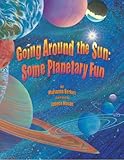
Going Around The Sun: Some Planetary Fun Going Around The Sun: Some Planetary Fun by Marianne Berkes


My review


rating: 5 of 5 stars
This is a beautiful book with outstanding illustrations. Kids love it because there are lots of things to find on every page. Marianne cleaverly calls the sun, mother, and the planets her children as she rhythmically takes you on a journey through our solar system. Children will learn their numbers as they discover interesting facts about each planet. This book is an iParenting Media Award Winner!

There are four additional pages of information about our planets as well as teaching tips from Marianne and art tips from the illustrator. One suggestion is to create a play using the rhymes in the book. Children can remember the names and the order of the planets from the sun by memorizing a simple sentence. "My Very Educated Mother Just Sent Us Nine Pizzas. Of course, that's if you want to include Pluto which has been downgraded.

Here's a great planetary art project:

The background of this book was created with a melted crayon project that you can duplicate in your classroom. Begin by sharpening crayons over a paper plate. Place the shavings between two sheets of wax paper and carefully set a warm iron on the wax paper for just an instant. The crayon will melt quickly between the two sheets of wax paper. When it cools, you can cut out shapes of the planets and tape them to a window or hang them from the ceiling with string.


View all my reviews.


Kathy Stemke's sites:
http://www.helium.com/users/406242.html
http://www.associatedcontent.com/user/237923/Kathy_stemke_dancekam.html
http://kathystemke.weebly.com
Add to Technorati Favorites

Sunday, March 1, 2009

WELCOME MY GUEST AUTHOR, KEVIN MCNAMEE


Thanks for stopping by Kevin. You have so many different books ready to be published with Guardian Angel Publishing. We are very excited for your success!

Can you tell us a little about yourself?

I’m a writer and poet living in Yonkers, New York and I’ve been writing since I learned the alphabet. The first thing I remember writing is a poem in second grade. I always liked the creative writing assignments in school. As I grew up, I put writing on the back burner while I pursued other interests. But I discovered that the thing that I was getting the most recognition for at work was my writing (memos, proposals, instructions, etc.) Gradually I realized that I really was a writer. Writing has always been a central theme throughout my life.

To find out more about me, you can visit my website at http://www.kevinmcnamee.com or you can visit my blog at http://www,kevinmcnameechildrensauthor.blogspot.com/

What dream fulfilled would make you dance?

Cue the music, I’m already dancing. I’ve wanted to be a writer since I was a kid and I’m finally seeing that happen. I am, who I always wanted to be.

How would you describe your style of writing?

Most of my work consists of children’s picture books. Picture books by their very nature need to be short and to the point. Every word needs to move the story along. I do try to incorporate humor into my work whenever possible. I also try to write my children’s stories on multiple levels so there’s something entertaining for the parents to read as well. My goal is to create a story that children and adults would want to read together.

Can you tell us which is the most interesting book that you have
written and why?

I don’t know if I could single out any one of my books as the most interesting. To me, all of my stories were interesting, even the ones that I realized are unfixable. It’s all helped me to hone my craft and to become a better writer.

How do you come up with your characters?

Usually, I come up with a storyline first and then I create characters to fit the story. Being that I write picture books, my characters are action driven. Illustrations will show the characters’ physical characteristics and their surroundings. So I don’t really focus on those aspects. But I am very focused on the character’s behavior.

How do you come up with your stories?

All of my stories answer the question “What if?” Sometimes, I’ll overhear something that will start the ball rolling. Other times, I’ll just let my mind wander and a good idea will pop into it. When I was a child, I was a constant daydreamer and I still am. So, that seems to work in my favor when it comes to writing.

Do you have a favorite character?

I don’t think that I have a favorite. Every story that I’ve written had a character that behaved differently because that’s what the story called for. Some were silly and some were serious and they were meant to make you laugh or cry depending on what the story was about.

What projects are you working on now?

Right now, I’m trying to revise a rhyming picture book that I’ve been working on. I also have two other prose picture books that I brought to the writers’ intensive at the SCBWI Winter Conference. I received some great feedback on these manuscripts and I’m in the process of revising them as well. For the uninitiated, SCBWI stands for the Society of Children’s Book Writers and Illustrators.

What was one of the most surprising things you learned in creating
your books?

How some stories take on a life of their own. More than once, my stories have taken a path that I didn’t originally choose for them. Sometimes I decide that a character wouldn’t act a certain way or take a certain course of action, and I wind up exploring the unknown along with my characters.

Which of your books is available now? Where can we buy it?

Unfortunately, my books aren’t available yet. I have six picture books under contract with Guardian Angel Publishing, Inc. I expect my first book, The Sister Exchange, to be released within the next few months, and my next book, If I Could Be Anything, to be released by the end of the year.

Thank you for your contribution to the children's book market. We are all looking forward to the release of your books. Good luck.

KATHY STEMKE'S WEBSITES:
http://www.helium.com/users/406242.html
http://www.associatedcontent.com/user/237923/Kathy_stemke_dancekam.html
http://kathystemke.weebly.com
Add to Technorati Favorites

Wednesday, February 25, 2009

NEWSLETTER SUBSCRIBERS ALERT!!!

THANK YOU FOR THE INCREDIBLE RESPONSE TO MY NEWSLETTER!!

If you sign up for my newsletter, you will be sent a confirmation email from getresponse.com. You must confirm your subscription or you will be automatically eliminated from my list in 30 days.

Thank you to the many people who have emailed me with excellent comments about the newsletter. I have noticed that some of you have been taken off my list. If you do not get my March newsletter by March 5, please sign up again and confirm your subscription. Thanks for your support.

HERE'S WHAT OTHERS ARE SAYING:

Fantastic newsletter! I am going to enjoy reading your newsletter and look forward to trying lots of the activities with the children I teach.

Thank you,
Mary K.

My absolute favorite part of your newsletter was your Musical Consonants in Action to the "If You're Happy and You Know It" tune!! Having just published my first ABC book, I'm a bit obsessed with the alphabet at the moment. :) But I loved this song and think it's a fun, engaging way to practice letters, sounds, vocabulary, and movement. Well done! May I share this song? I would love to pass it on to the teachers I help train at the University of Texas at Arlington?

Keep up the great work!

Bernadette

Thank you for the newsletter. I am a literacy mentor and loved your song, if you are happy and you know it, I am planning on sharing it with the teachers that I work with.

Thank you,
Cathy Kallevig

Great Newsletter!! I especially liked "Awareness of Space"-something I can teach my son. I will use these tips on my own children.

Thanx,
Mynt

Both parents and teachers of small children will want to subscribe to Movement and Rhythm, a valuable new resource from educator and children's author, Kathy Stemke. This free newsletter is chock full of original articles, activities, and other offers to make education and teaching more fun and effective both inside and outside the classroom.

Suzanne Lieurance
The Working Writer's Coach
http://www.workingwriterscoach.com

I love your newsletter! As a classroom teacher working for the school district I am required to document my on-going "professional development." Frankly, it can become very boring. Your content is set up in easy to read blocks and the way it is written translates immediately into something I can do right now with the kids.
Please continue with this awesome resource!

Versana Polidore
Thomas Gibbs Elementary School
Classroom teacher


Kathy Stemke's "Movement and Rhythm" Newsletter is a must read for all parents and teachers of little ones. I remember having my children clean their rooms to music, as we sang little songs. Learning through movement and rhythm is a good means for teaching many things, as well as helping children learn to appreciate music. After all, many of us still sing the Alphabet Song to ourselves when we need to check the alphabet.

Vivian Gilbert Zabel
Publisher 4RV, Author, Educator
http://viviangilbertzabel.com/

http://www.helium.com/users/406242.html
http://www.associatedcontent.com/user/237923/Kathy_stemke_dancekam.html
http://kathystemke.weebly.com
Add to Technorati Favorites

Monday, February 23, 2009

COLOR ACTIVITIES AND GAMES!


COLOR BOWLING
Put a colored square on the front of several plastic soda bottles. (Rainbow) Call a color. The student rolls the ball and tries to knock the correct bottle over.

COLOR TOSS
Toss a beanbag into a box with a colored circle on the front.

COLOR JUMP
Make vinyl color shapes and tape them to the floor. Children jump from color to color and identify the color. Or you could just make masking tape squares with a small piece of colored construction paper in each. VARIATION: Give each child a command such as: “Mary, put both hands on the red square.” “Keesha, run around the blue square.”

COLOR BUTTON SORT
Print a color name on each paper cup. Have the children put red buttons in the red cup, etc. The children can count each color when they are done sorting.

COLOR COMBO
Write red, yellow, blue, green, purple, and orange on a paper. Show them how to combine the primary colors to make the secondary colors. (Red over blue makes purple) Using red, yellow, and blue colored tissue paper circles have the children glue the correct color under each word.

COLOR CARDS
Write the color names on one side of an index card and a construction paper triangle on the other side. After reading the color name, the children can flip the card over to see if they are correct.

PHOTO CUBE COLORS
Put a color and action command in each side of a photo cube. Example action command: 5 jumping jacks, or hop on one foot. Children take turns tossing the cube. If they can identify the color they get to follow the command.

STINKY CHEESE COLORS
Place color shapes into a paper bag. Also place a few triangles of construction paper cheese wedges. Children take turns picking a color out of the bag to identify. If they pick cheese, they hold their nose and say, “Pew, stinky cheese.”

LEARN TO SPELL THE COLOR WORDS

SpellingCity.com equips students to become better spellers by letting them practice spelling with their own personalized lists, rather than just random spelling words. The site allows the user to do a variety of things with their spelling words such as see them in flashcard format, hear them spoken by a real human voice, play games with the words, and even take practice-spelling tests.

http://www.helium.com/users/406242.html
http://www.associatedcontent.com/user/237923/Kathy_stemke_dancekam.html
http://kathystemke.weebly.com
Add to Technorati Favorites

Wednesday, February 18, 2009

Free study guides and teacher resources from author Simon Rose


Author, Simon Rose, is a graduate of the Institute of Children's Literature of West Redding, CT and has been a prolific writer of children's fiction for many years.

HIS BOOKS:

The Heretic’s Tomb While exploring a medieval archaeological site containing the ruins of an ancient English abbey, Annie discovers the long-forgotten tomb of Lady Isabella Devereaux, who had been condemned to death as a heretic in 1349. When she examines a mysterious amulet, she is suddenly sent hurtling back to the Middle Ages, encountering sorcery, treachery, treason and the ghastly horrors of the Black Death.

The Clone Conspiracy At the dawn of the twenty-first century, governments around the world panicked as technology rapidly advanced. They didn't realize that cloneing genie was already out of the bag.

The Sorcerer’s Letterbox In a hidden drawer, Jack discovers a letter from a boy calling himself Edward. Penning a reply, Jack is astonished to be corresponding through time with the boy king Edward V. Travelling back in time, Jack attempts to rescue Edward V from death, but is soon fighting for his life in the terrifying London of 1483.

The Alchemist’s Portrait A school trip at the city museum leads Matthew into an eerie meeting with Peter Glimmer, imprisoned inside his own portrait by his villainous uncle in 1666. Matthew is sent hurtling over 300 years into the past to recover the one object that can save the world.

The Doomsday Mask In the destruction of Atlantis, the legendary mask of Kulkaan was thought to have been shattered and irretrievably lost. The mask’s crystal fragments have now been found and the mask of Kulkaan reassembled, with deadly consequences for all mankind. Josh and Erica must prevent the mask from falling into the hands of the shadowy Crystalline Order, in order to save the world from catastrophe.

FREE STUDY GUIDES AND TEACHER RESOURCES:

Each of the authors novels can provide teachers with a wide variety of ways to explore projects in the classroom. The Fun Stuff and Puzzles page features word searches related to the text and character names in each novel, plus you can also access The Super Scavenger Search, where the answers to a series of mind boggling questions are hidden in different pages all over the author's website.

SAMPLE STUDY GUIDE FOR THE EMERALD CURSE: http://www.simon-rose.com/study_guides.htm

In The Emerald Curse, Sam had adventures inside a strange comic book universe, where the super heroes and villains are disturbingly real. The novel lends itself to numerous student projects related to the superhero genre.

Create Your Own Superhero

Students invent their very own hero, complete with a colourful costume, amazing powers, a secret identity, a hidden headquarters, friends, family and an archenemy, who has some kind of connection to the hero. Students could also craft detailed character synopses of their hero, along with all the supporting players, including their main adversary and even a sidekick.

The Beginning

Once they have invented their very own hero, the students create an exciting origin story, detailing how the hero got his or her powers in the first place.

Headline News

In the style of a traditional newspaper front page, students can write an exciting, dramatic story, describing an action packed battle between the hero and his arch-enemy, complete with an attention grabbing headline.

Comic Book

Students learn how to create their own comic book depicting the adventure of the
superhero they have created, complete with an eye catching cover and unique logo
designed especially for their hero.

Board Games

In the novel, Sam is propelled into the comic book universe and has adventures in a
number of different worlds, before his arrival in the realm ruled by the sinister Baron Midnight. Sam’s initial journey into the illustrations and subsequent travels elsewhere could form the basis of a board game that students could develop, once they are familiar with the storyline.

Throughout the school year, Simon Rose offers presentations, readings, author in residence programs and conducts workshops for children at schools and libraries all across Canada, the United States and around the world.

Websites for author Simon Rose: http://www.simon-rose.com/books.htm

KATHY STEMKE'S WEB ADDRESSES:
http://www.helium.com/users/406242.html
http://www.associatedcontent.com/user/237923/Kathy_stemke_dancekam.html
http://kathystemke.weebly.com
Add to Technorati Favorites

Monday, February 16, 2009

Black History Month Don Cheadle:A Person of Influence

Don Cheadle: A Person of Influence
The American film actor, Don Cheadle, inspires many people to give their time, money and energy to help the people of Darfur in Africa. This Article will inspire you to ask what you can do to help those less fortunate in the world. During Black History month we need to see what others are doing today to help the unfortunate people in Africa.

Don Cheadle, actor, director, producer, author, and humanitarian, has stared in over 40 films and 20 TV episodes. After playing a hotel manager in "Hotel Rowanda," he was shocked and energized into becoming an activist to bring awareness to the genocide, and monumental suffering of the people in the Darfur region of Sudan. The over 400,000 deaths and 2.5 million people forced to leave their homes and live in deplorable refugee camps inspired Mr. Cheadle to co-author a book with activist, John Prendergast, entitled, "Not on Our Watch: The Mission to End Genocide in Darfur and Beyond." This book challenges its readers to become politically active and use their influence to raise awareness about this horrible human crisis. Along with fellow actors, he founded an organization, Not on Our Watch, to draw on the powerful voices of artists, activists and cultural leaders, to generate lifesaving assistance and protection for the vulnerable, marginalized and displaced. Last year this group raised 6 million dollars to help prevent malnutrition, administer immunizations to children, teach hygiene and safe cooking practices, and provide health care and alternatives to dangerous fuel gathering outside the refugee camps. They also helped protect various aid agencies and contributed to the Humanitarian Aid Helicopter Service, which were all vital services for the millions of displaced people in the refugee camps.

To read more of this article click on this link:
http://www.associatedcontent.comarticle/927337/don_cheadle_a_person_of_influence.html

Wednesday, February 11, 2009

ENCOURAGE MUSIC AND MOVEMENT ACTIVITIES WITH YOUR CHILDREN!


All of us have enjoyed dancing around the living room to music when no was looking. These are uninhibited moments in response to music. In fact, moving to the beat of the music is an innate quality found in all human beings. Infants and toddlers bounce to the music without any instruction at all. We need to provide children with a safe environment to explore and learn all they can about how their bodies can move to music.

MUSIC APPRECIATION AND EXPRESSION

Improvising movement to music is a natural way for children to express themselves. This release of emotional tension can help to calm children and improve their mood. Depending on the music, it can invigorate or soothe the emotions. Exposing children to a wide variety of music at an early age will increase their appreciation of music.

Because classical music generally evokes strong emotions you could use Beethoven’s “5th Symphony” to inspire anger, or Rimsky-Korsakov’s, “The Flight of the Bubble Bee” to inspire excitement.

Making and using simple instruments in exploration of various musical styles will add to the experience. For instance, a homemade drum will add to the fun when moving to Native American music.

CREATIVITY

Giving children the opportunity to explore and expand their movement vocabulary will increase their creativity. These activities will bring out quick and slow, heavy and light, strong and gentle, as well as tense and relaxed movements. As kids experience different combinations of movement and a variety of themes, their own movement ideas will emerge.

In the “Fastland/Slowland” activity one side of the room is for quick movements and the other side of the room is for slow movements. Children cross over to the other side when they hear a signal like a drum beat or a whistle.

“Abracadabra” is an activity that teaches the difference between heavy and light movements. Kids push an imaginary refrigerator. When you say, “Abracadabra” the refrigerator is suddenly on wheels, or the children stomp through the woods like Tyrannosaurus Rex then turn into a ballet dancer.

FINE AND GROSS MOTOR SKILL DEVELOPMENT

Movement exploration helps develop both fine and gross motor skills. “Move this Way” is an activity that inspires practice in locomotor skills. Prepare a set of large word cards with one action word on each card like walk, skip, gallop, slide, crawl, roll, tiptoe, hop, jump and stomp. Kids move around the room doing the skill on the card in front of them. When they hear a signal they stop at a different card and when signaled again they do the new skill.

In “Paper Plate Balancing” each child balances a plate on part of the body as they move around the room. When it falls off, they balance it on another part of the body.

To see the rest of this article go to: http://www.helium.com/items/1336328-movement-exploration-music-children-activities-creativity-cognitive-skills-socialization

This article can only serve as an introduction to this enormous topic. Sign up for my FREE monthly newsletter on the right sidebar for more in-depth analysis of movement and music activities. It is my hope that after experiencing some of these activities with your children you will be inspired to create your own activities. The possibilities are endless, so have fun.

http://www.helium.com/users/406242.html
http://www.associatedcontent.com/user/237923/Kathy_stemke_dancekam.html
http://kathystemke.weebly.com
Add to Technorati Favorites

Friday, February 6, 2009

TOP TEN PREDITORS AND EDITORS READERS POLL 2008

http://www.anotherealm.com/prededitors/votepoem08.htm

An Empty Stage By Kathy Stemke


Coiled torso frozen on an empty stage,

a living sculpture trapped and placed

with no gown of tulle to hide her age

but with weeping knees below her waist.


Framed in light her insides groan

with pent up passion poised for release,

she now waits long and alone

for rhythm to carry her into peace.


But I remember her unencumbered

prance, so light for one who was held down

by unfulfilled dreams remembered,

floating above her tattered gown.


Published in;
Cyberwizard Productions

http://www.helium.com/users/406242.html
http://www.associatedcontent.com/user/237923/Kathy_stemke_dancekam.html
http://kathystemke.weebly.com
Add to Technorati Favorites

Thursday, February 5, 2009

GREAT TEACHING TIPS FOR READ ALOUDS!


READING ALOUD TO CHILDREN

Research indicates that reading books to children is the single most valuable activity in helping children learn to read.

1. Be dramatic and have fun! The more enthusiasm you show to the children, the more they will enjoy the book.
2. Run your finger underneath the words as you read to signal that the print is telling the story.
3. Relate events in the book to events in the children's lives.
4. Leave plenty of time to explore the illustrations. Encourage children to find things in the pictures.
5. If a child asks a question, stop and answer it. The book may open up important discussions with your children. It can serve as a launchpad to many subjects.
6. Do fun activities that relate to the book.
7. Use musical instruments to create suspense, silliness, happy and sad sounds. This can bring your story to life as well as keep each child engaged.
8. Have the children act out what you read. If the character walks to the store, they should be able to walk in place as they reach a door and open it and grab some groceries. This should be fun and can help on those days it's raining out and their energy levels are high. It's a good idea to give them boundaries for control. You could have them stay inside a hoop on the floor.
9. Use a prop bag to illustrate parts of the story. Collect items that pertain to the story, and display them when they are mentioned in the story. Let's say your reading, "Miss Spider's Tea Party." You could take out rubber bugs, a tea cup, silk flowers, or a hankerchief to dry Miss Spider's eyes. If your story is about bananas, pull some bananas out of the prop bag. It would be fun to eat them while they listen to the rest of the story.
10. Ask the children questions about the story. Reading comprehension is one of the hardest things to teach a child if it doesn't come naturally to him. In order to comprehend something, you must be paying attention to it. Help children to develop their ability to comprehend stories by asking questions either about what they think is about to happen or what has already happened. This develops critical thinking, which helps later in life in making major decisions.

LISTENING TO CHILDREN READ ALOUD

Your attention and praise is essential to encourage continued success in a child's continuing efforts to learn to read.

1. If a child is learning to read and asks for a word, give it immediately so that the meaning of the story is not interrupted. DO NOT ask the child to sound out the word.
2. On the other hand, if the child initiates the act of sounding out, don't intervene.
3. If a child makes a miscue, listen for the meaning of the miscue. If the word "road" is substituted for the word "street," no meaning is lost. Don't stop the reading for a correction.
4. If the miscue makes no sense, like using the word "horse" for "house," ask the child to reread the sentence because you're not sure you understand what's been read.
5. Most importantly, give lots of praise! Praise from you is critical for futher risk-taking and learning.

http://www.helium.com/users/406242.html
http://www.associatedcontent.com/user/237923/Kathy_stemke_dancekam.html
http://kathystemke.weebly.com

Add to Technorati Favorites